
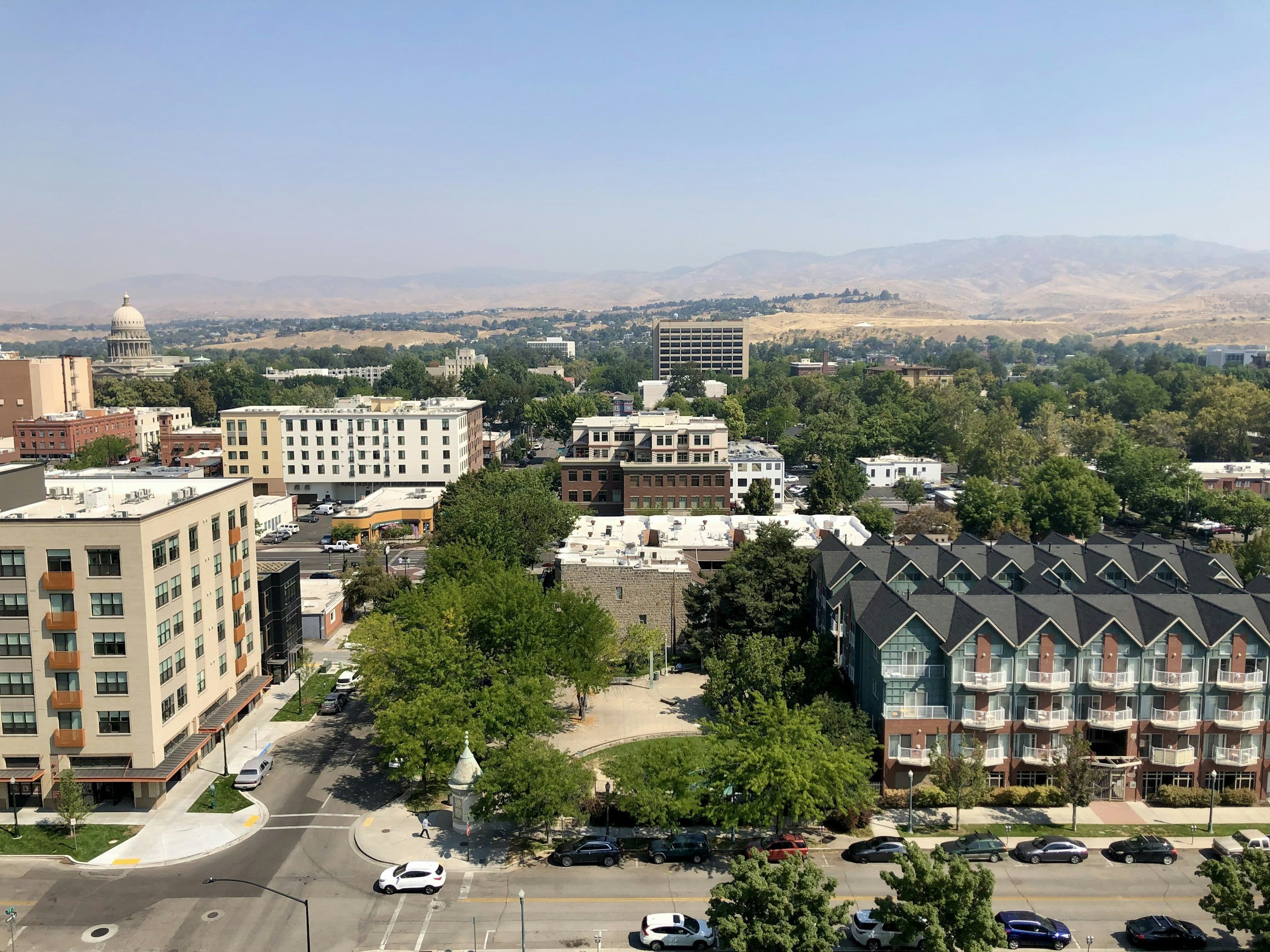
Urban heat & Trees
Did you know trees not only provide shade, but also reduce electricity use, cool sidewalks and streets, and keep our air and water clean?
Increasing summer temperatures impact our communities, economy, and way of life all across Idaho. In Idaho’s Treasure Valley, Trees Idaho has partnered with City of Boise and other stakeholders since 2019 to research, map and better understand the impacts of urban heat on local neighborhoods. The resulting data and mapping tools have helped us partner with cities to implement cooling strategies — including strategic tree planting — that are helping cool our cities!
Urban heat islands
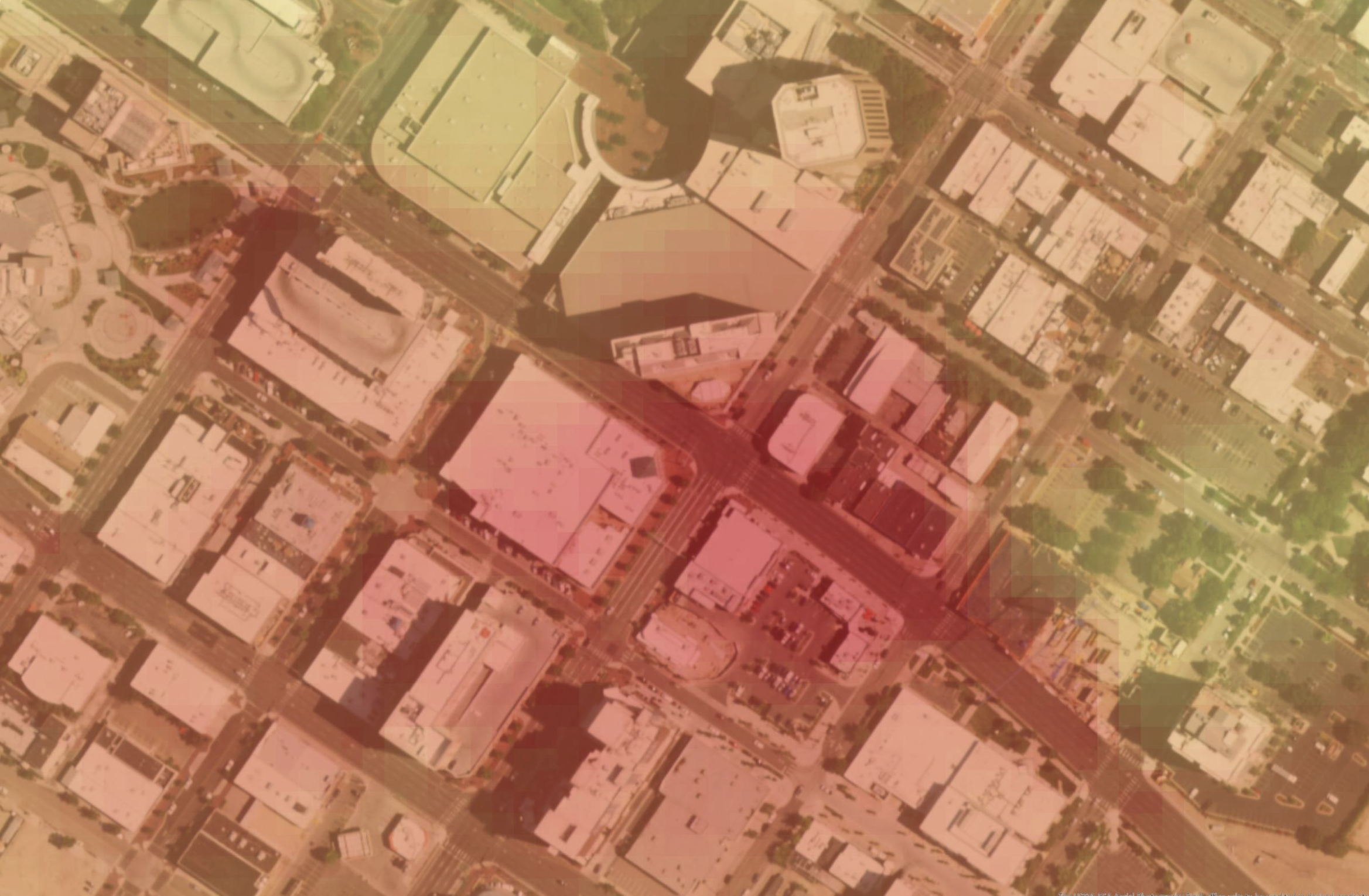
An urban heat island is an area within the city that is significantly hotter than surrounding areas due to concentrations of concrete, streets and/or buildings without landscaping or trees.
In the heat of summer, neighborhoods with the lowest tree canopy are much hotter than neighborhoods with higher tree canopy. Neighborhoods with higher tree canopy benefit from lower energy costs in the summer and a better place to live, work and play.
Exploring Urban Heat and Tree Canopy
2019 heat watch study & storymap
Click here to learn more about urban heat in the City of Trees, including data and an interactive Story Map.
2024 Boise heat monitoring study
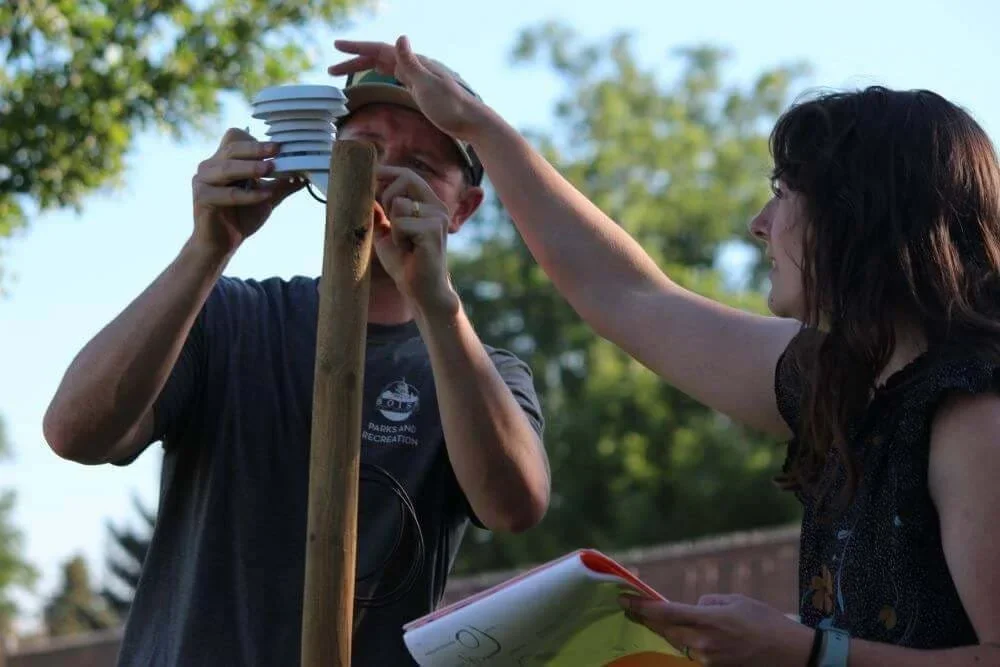
Learn more about our neighborhood heat study and how it’s shaping our tree planting in priority areas.
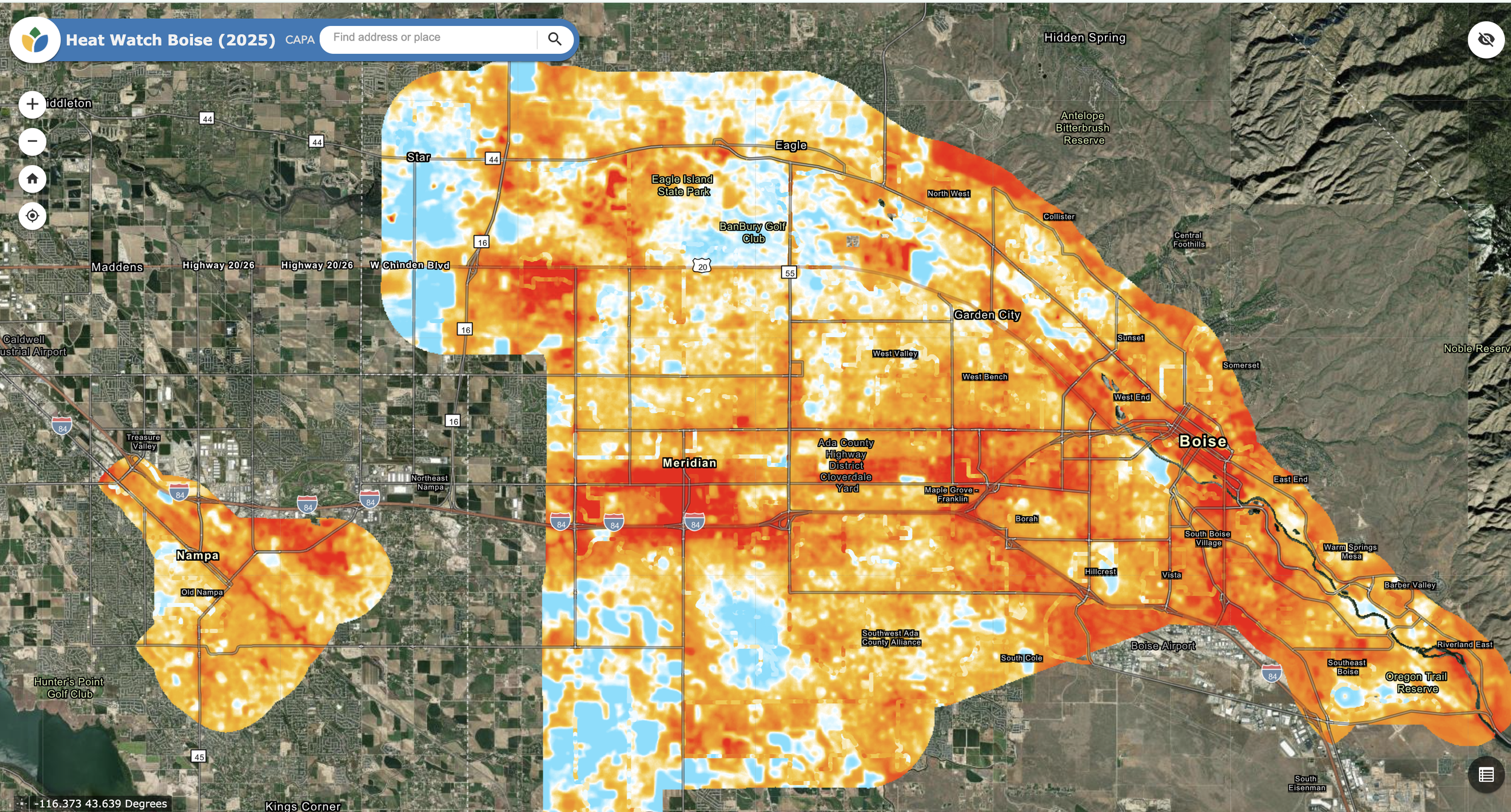
2025 treasure valley heat watch
Click here to download the full report about the volunteer supported heat study conducted in 2025.
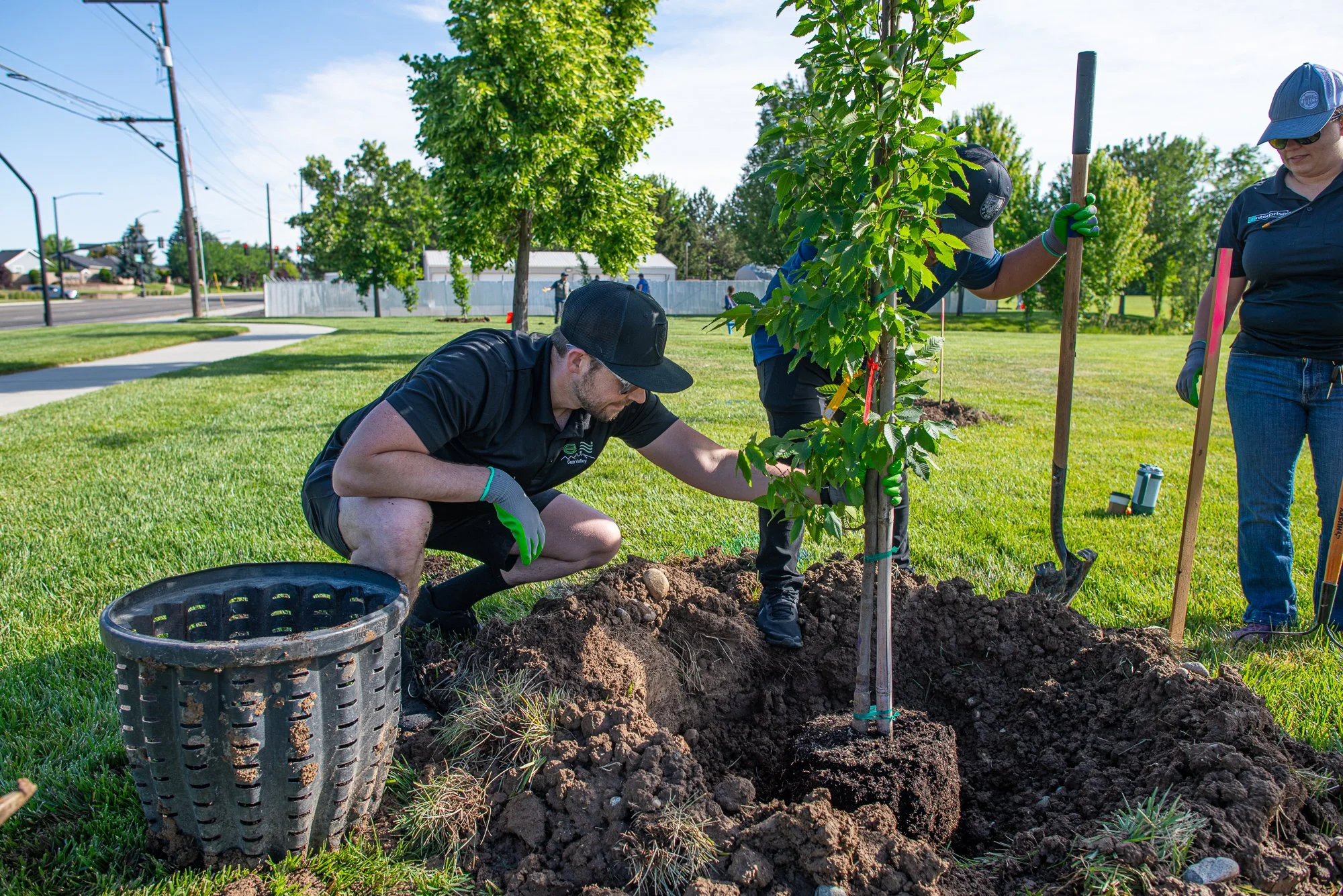
take action in your neighborhood

-
The relationship between tree canopy and neighborhood heat is significant! Take action at home by planting a tree on your own or participating in one of Trees Idaho’s tree distribution events.
-
Tree Captains are local volunteer leaders working to enhance the health of Idaho neighborhoods through tree planting, advocacy, and stewardship. Click here to learn more.
-
Trees are not the only solution! Connect with your community to learn more about your city’s plan for urban heat and climate action.
In Boise, visit https://www.cityofboise.org/programs/climate-action/ to learn about the City’s programs and build your own personal climate action plan.
-
When you give to Trees Idaho, you're helping create healthier neighborhoods across Idaho for generations to come. Every tree improves air quality, provides shade, and brings people together through volunteer programs and community stewardship. Make your gift today and help grow a healthier, more vibrant Gem State.